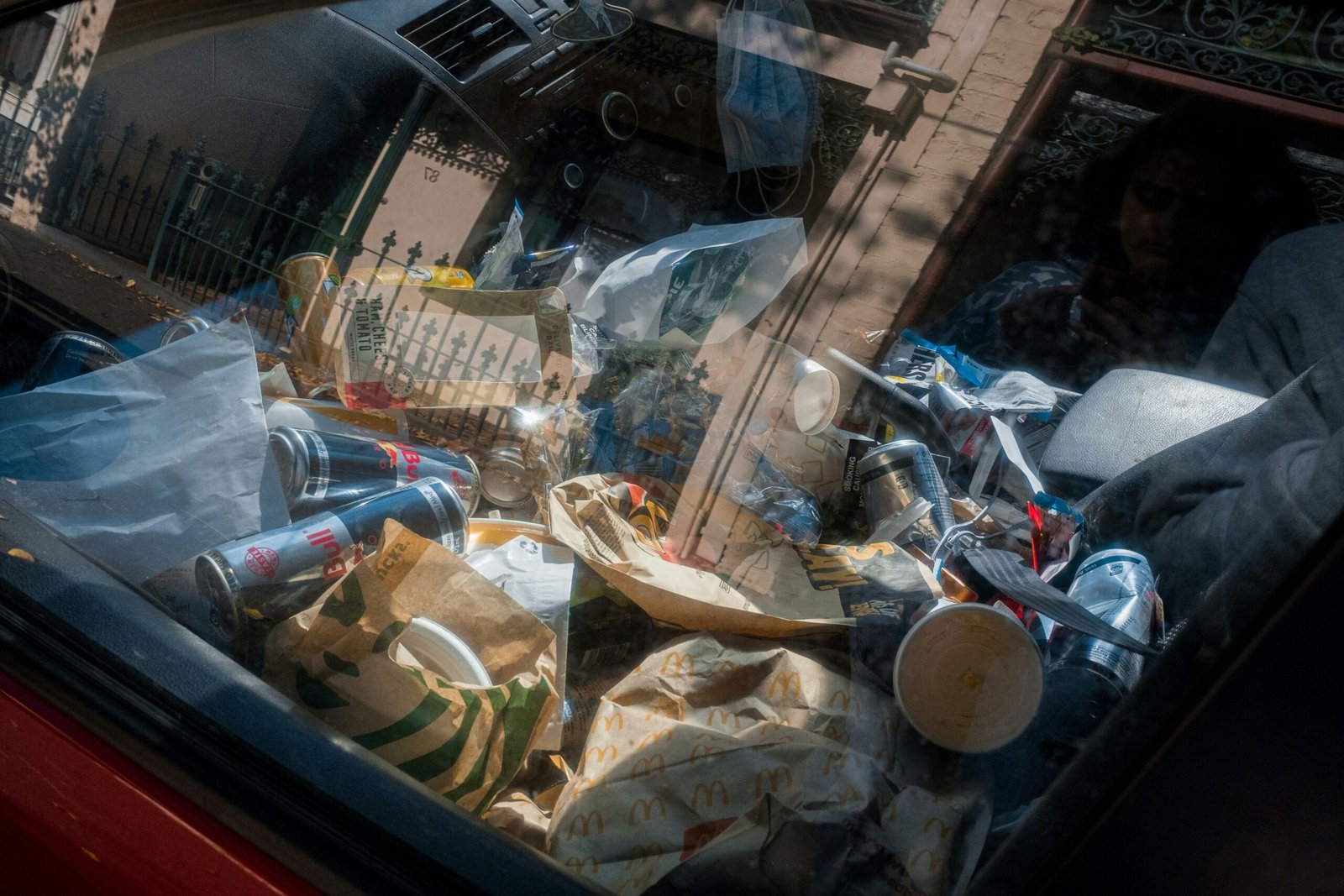
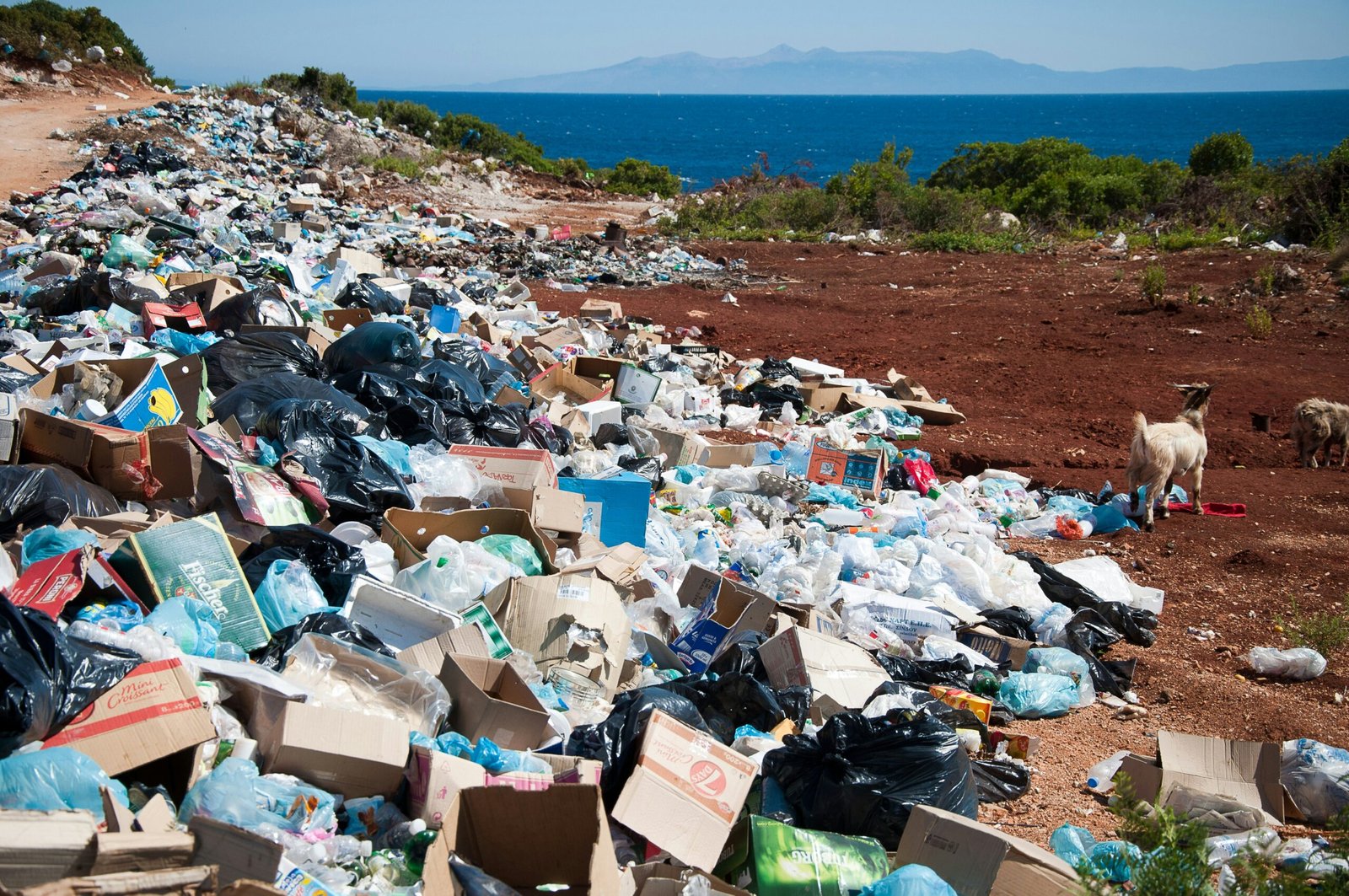
When you think of pollution, the first thing that comes to mind is trash… Plastic bags, bottles, clothes, packaging from various products, and so on. And this is for a reason. An article on Plastic pollution by ourworldindata.org states that over the last 70 years, the world went from producing 2 million tons of plastic to now producing over 450 million tons. That is 230 times more plastic being produced.
According to The Guardian, the majority of the world’s plastic is produced using fossil fuels like coal and oil, and not from recycled material. Only about 9.5% of the plastic produced in 2022 was made from recycled material, while the rest was made from raw fossils. In addition, only about 27.9% of plastic waste was properly recycled, with most ending up in landfills or being incinerated.
When we deal with plastic in our everyday lives, we often forget that we are dealing with fossil fuels in a solid form. The extraction of these materials, as well as the transportation, causes serious harm to animals, plants, and even humans.
An article by clf.org explains that plastic is extracted by removing coal, natural gas, or crude oil using techniques that are not always the safest. “Digging deep into the earth damages the soil and land – and makes the general area more susceptible to natural disasters like mudslides and flash floods.” In addition, extraction companies usually dispose of all the unusable material, like rock and soil, into nearby waterways and ravines, which disturbs the surrounding ecosystems. The extraction method called fracking leaves behind a liquid that contains radioactive material, heavy metals, and other toxins. The chemicals released into the air during the extraction process can cause cancer when inhaled or ingested. This can harm the workers as well as local communities.
The article also explains that turning the raw material into a plastic pellet requires the use of ethylene and propylene, which have toxic properties.
According to a ScienceDirect article on plastic pellet spills, states that plastic pellets are the second largest source of microplastics in the marine environment. Plastic pellet pollution is often linked to container leakages during transportation and causes serious harm in the marine ecosystem.
How do we solve trash pollution?
To solve this problem, we need to resist the need for plastic. But it may not be that simple. To do so, companies would need to spend more money on different packaging options, and it would bankrupt small businesses. I think long-term this could help, but now we can all try to recycle, not use single-use plastic items like bags or bottles, use reusable products, and volunteer at cleanup events. If everyone did this, the world would already be much cleaner.
Conclusion
To conclude, plastic is a serious problem that causes health decline in all sorts of life forms. The demand for plastic production is not decreasing, and the process of extracting and transporting does not do the world any good. However, the problem can be fixed by small changes in our everyday lives.