Author: Tautvydas

  • Pollution in the Baltic sea

    Pollution in the Baltic sea

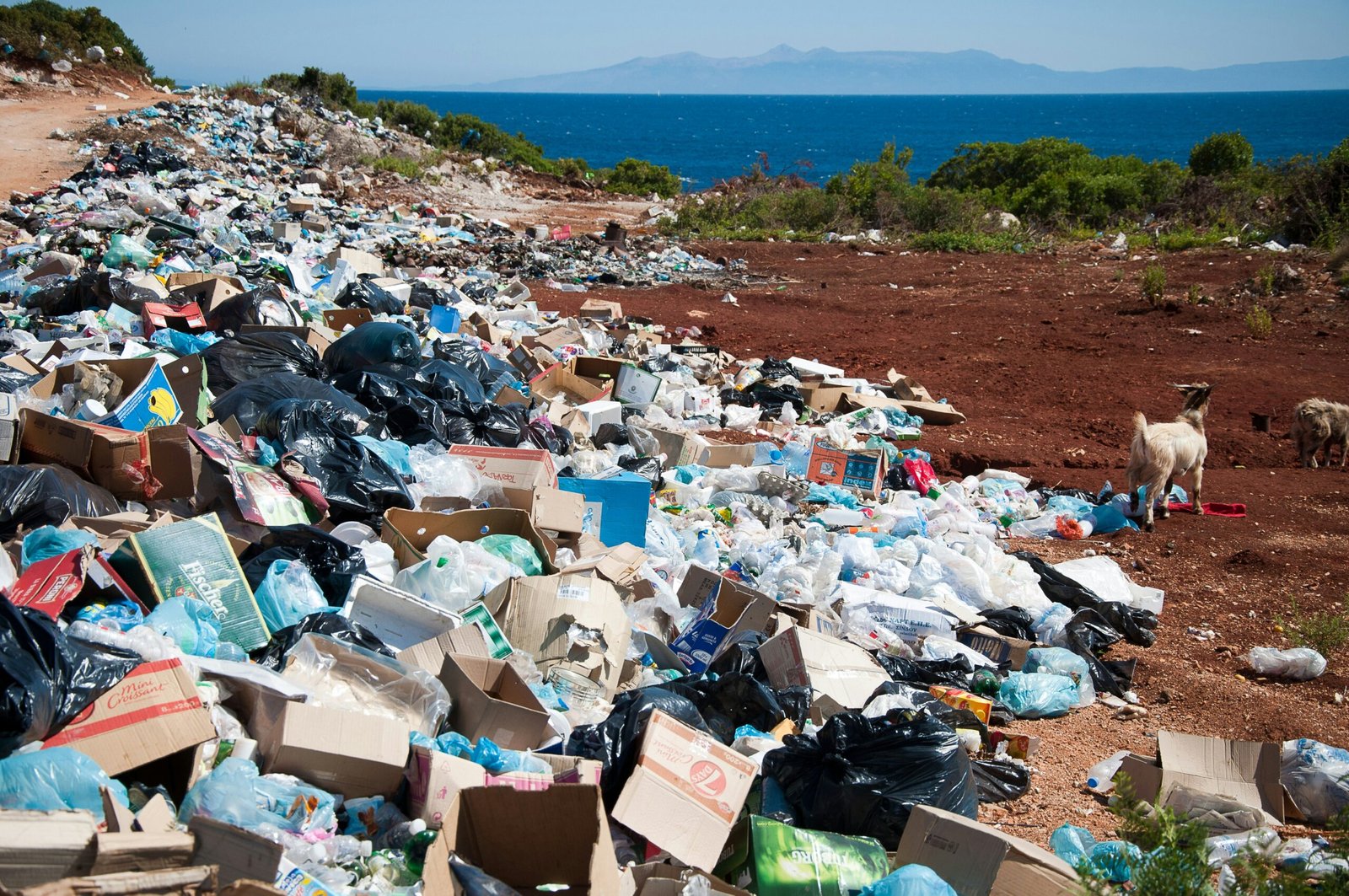
    The Baltic Sea is often named the world’s most polluted sea, but nobody seems to know why. The sea is located in the middle of Europe, surrounded by countries that are economically doing well. There should not be a reason for people to pollute the sea. At least it seems so…

    According to BalticWaters.org, since the sea is surrounded by land, there are not many places where water can circulate, and in turn, toxins and other pollutants stay in the water for a longer period of time than in other seas.

    The article further explains that the Baltic Sea is not the only sea that has difficulty removing toxins. Another example of this is the Mediterranean, Caspian and Black Sea. That is why it is hard to tell if the Baltic Sea is truly the world’s most polluted sea.

    Birzai.lt states, “Today’s major problem in the Baltic Sea is the excess of nutrients or nitrogen and phosphorus.” These materials are most commonly found in fertilizers and cleaning supplies, such as laundry detergents. It is hard to control the chemicals, so they don’t appear in the sea, because fertilizers might get washed away with rain and cleaning supplies don’t get filtered out very well when they accidentally get washed into the bathroom sink.

    Ships are also a big reason for the pollution. According to EUSBSR, more than 2000 ships are travelling on the Baltic Sea at any given moment, not including ferries and small recreational boats. This means that a small fuel leak from every ship causes a tremendous impact on the Sea life. And because the sea is sheltered by land, there are no ways for the toxins to escape. That’s how the sea remains polluted.

    How can we solve the Baltic Sea pollution problem?

    There is no obvious thing to do to save the Baltic Sea. Some could argue that farmers need to watch where they have their farmlands located, but in that case, they would earn less money from their crops. This can be solved by state financing, and not all, if not any, countries want to finance a problem that could be blamed on someone else.

    For the majority of people, we can focus on not spilling cleaning supplies into the drainage pipes for no reason, as well as try to keep the sea from getting polluted even more, by recycling and throwing away trash into trashcans, and not the water.

    Conclusion

    The majority of the Baltic Sea’s pollution comes from farms, ships and unfiltered sewage. There is no way regular people can make an impact when it comes to this problem. The only thing we can do is try not to litter anymore.

  • How does AI impact the environment?

    How does AI impact the environment?

    These days everyone uses AI, but have you ever wondered what impact does AI leave on the environment?

    According to the London School of Economics and Political Science, data centers currently contribute about 1% of global energy-related greenhouse gas emissions. “By 2035, increased data center energy use could lead to an additional 0.4–1.6 gigatons of CO2 equivalent (GtCO2e) emissions.”

    It is really hard to understand how AI data centers manage to pollute the earth with C02, so LSE further notes that the improvement of artificial intelligence models requires a large amount of computational resources. This means that a lot of electricity is being used, just for improvement. There is more electricity being used for maintaining the AI.

    How does electricity pollute the earth?

    According to an article by kunak, emissions from the energy industry include: carbon dioxide, carbon monoxide, sulfur oxides, nitrogen oxides, and many more. This is because fossil, nuclear, and even renewable energy plants emit these chemicals. These chemicals, in turn, negatively impact global warming.

    How to improve AI to be more sustainable?

    There are not many ways you can contribute to solving AI’s pollution because the software is run by large corporations. A mass AI cutback is very unlikely, but it would contribute to solving the problem. Data centers would go bankrupt and be forced to close, thus solving the data center pollution problem.

    Conclusion

    To summarize, AI data centers cause a need for electricity, which in turn forces chemicals out, polluting our air.

  • Food waste

    Food waste

    Did you know that food waste is a significant driver of climate change? According to an article by Anavo, approximately 8 – 10% of greenhouse gas emissions are associated with uneaten food. This is a problem that has the potential to be fixed, yet no major changes are being made. However, big changes start with small habits, so here are some ways you can improve and contribute to less pollution.

    How to solve food waste?

    One way someone can reduce their wasted food is by planning their meals. An article by ScienceDirect states that not planning meals is the main reason for having leftover food and unused products. This is because it is very hard to calculate the required amount of products needed for a certain time period without planning.

    Another way to reduce food waste is to organize your family’s fridge or food storage cabinet with the most perishable products in the front and the most recently bought products in the back. According to webstorantstore, grocery stores stock their shelves using this technique to make sure that the customer grabs the oldest product first. This technique is called “First in, First out” (FIFO). According to webstaurantstore it is really important to keep similar items together, label items clearly, regularly check expiration dates, and explain the method to the people that you live with.

    The last tip on how to cut back on food waste is repurposing leftovers. This is an awesome way to save some food and money by making something out of what’s left from yesterday. It is also important to make sure to buy products that don’t perish when opened, for this to work.

    Conclusion

    To conclude, food waste is a serious problem when it comes to climate change. If everyone tries their best not waste food, climate change would be an easier problem to fix.

  • Trash

    Trash

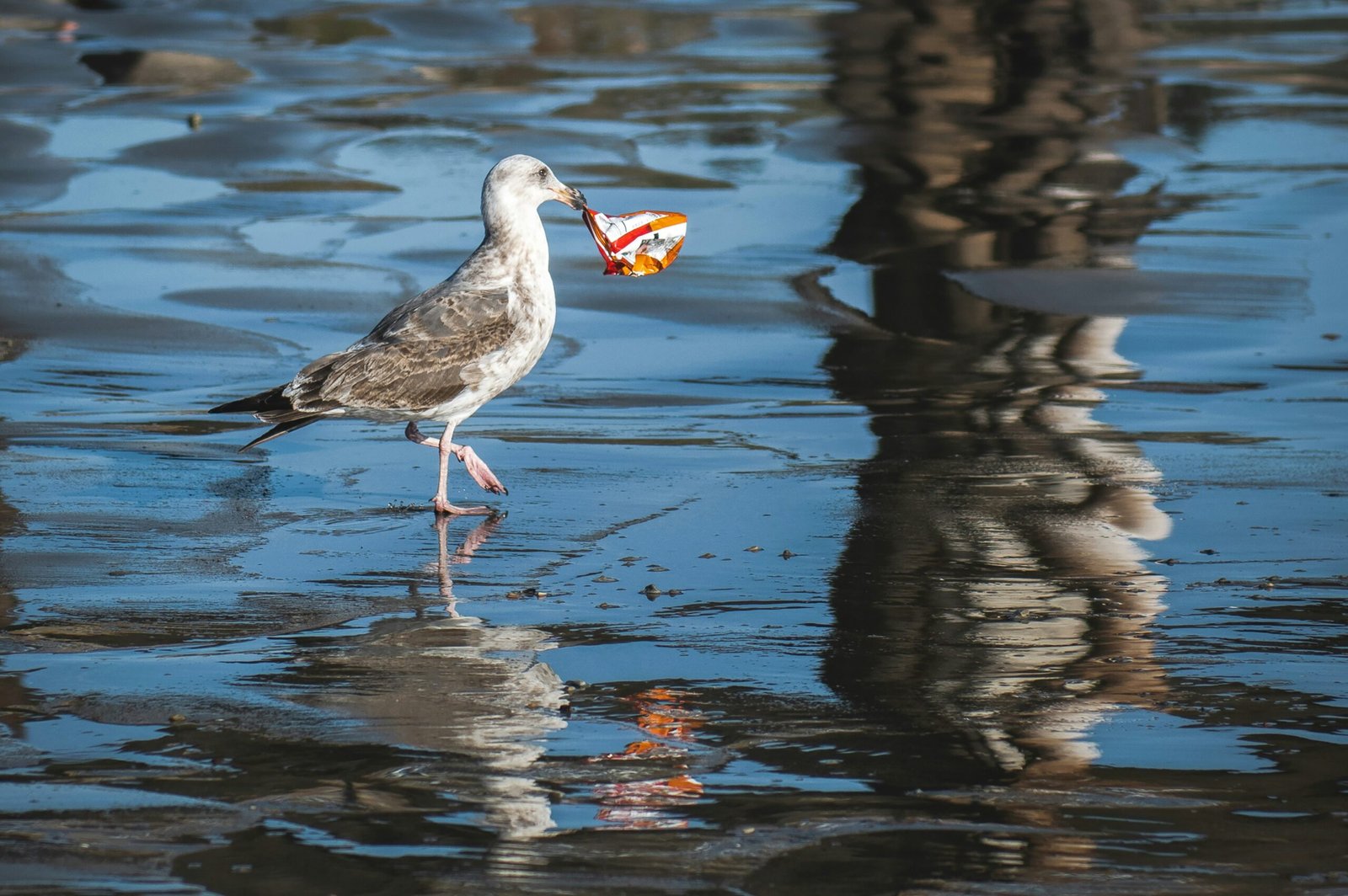
    When you think of pollution, the first thing that comes to mind is trash… Plastic bags, bottles, clothes, packaging from various products, and so on. And this is for a reason. An article on Plastic pollution by ourworldindata.org states that over the last 70 years, the world went from producing 2 million tons of plastic to now producing over 450 million tons. That is 230 times more plastic being produced.

    According to The Guardian, the majority of the world’s plastic is produced using fossil fuels like coal and oil, and not from recycled material. Only about 9.5% of the plastic produced in 2022 was made from recycled material, while the rest was made from raw fossils. In addition, only about 27.9% of plastic waste was properly recycled, with most ending up in landfills or being incinerated.

    When we deal with plastic in our everyday lives, we often forget that we are dealing with fossil fuels in a solid form. The extraction of these materials, as well as the transportation, causes serious harm to animals, plants, and even humans.

    An article by clf.org explains that plastic is extracted by removing coal, natural gas, or crude oil using techniques that are not always the safest. “Digging deep into the earth damages the soil and land – and makes the general area more susceptible to natural disasters like mudslides and flash floods.” In addition, extraction companies usually dispose of all the unusable material, like rock and soil, into nearby waterways and ravines, which disturbs the surrounding ecosystems. The extraction method called fracking leaves behind a liquid that contains radioactive material, heavy metals, and other toxins. The chemicals released into the air during the extraction process can cause cancer when inhaled or ingested. This can harm the workers as well as local communities.

    The article also explains that turning the raw material into a plastic pellet requires the use of ethylene and propylene, which have toxic properties.

    According to a ScienceDirect article on plastic pellet spills, states that plastic pellets are the second largest source of microplastics in the marine environment. Plastic pellet pollution is often linked to container leakages during transportation and causes serious harm in the marine ecosystem.

    How do we solve trash pollution?

    To solve this problem, we need to resist the need for plastic. But it may not be that simple. To do so, companies would need to spend more money on different packaging options, and it would bankrupt small businesses. I think long-term this could help, but now we can all try to recycle, not use single-use plastic items like bags or bottles, use reusable products, and volunteer at cleanup events. If everyone did this, the world would already be much cleaner.

    Conclusion

    To conclude, plastic is a serious problem that causes health decline in all sorts of life forms. The demand for plastic production is not decreasing, and the process of extracting and transporting does not do the world any good. However, the problem can be fixed by small changes in our everyday lives.