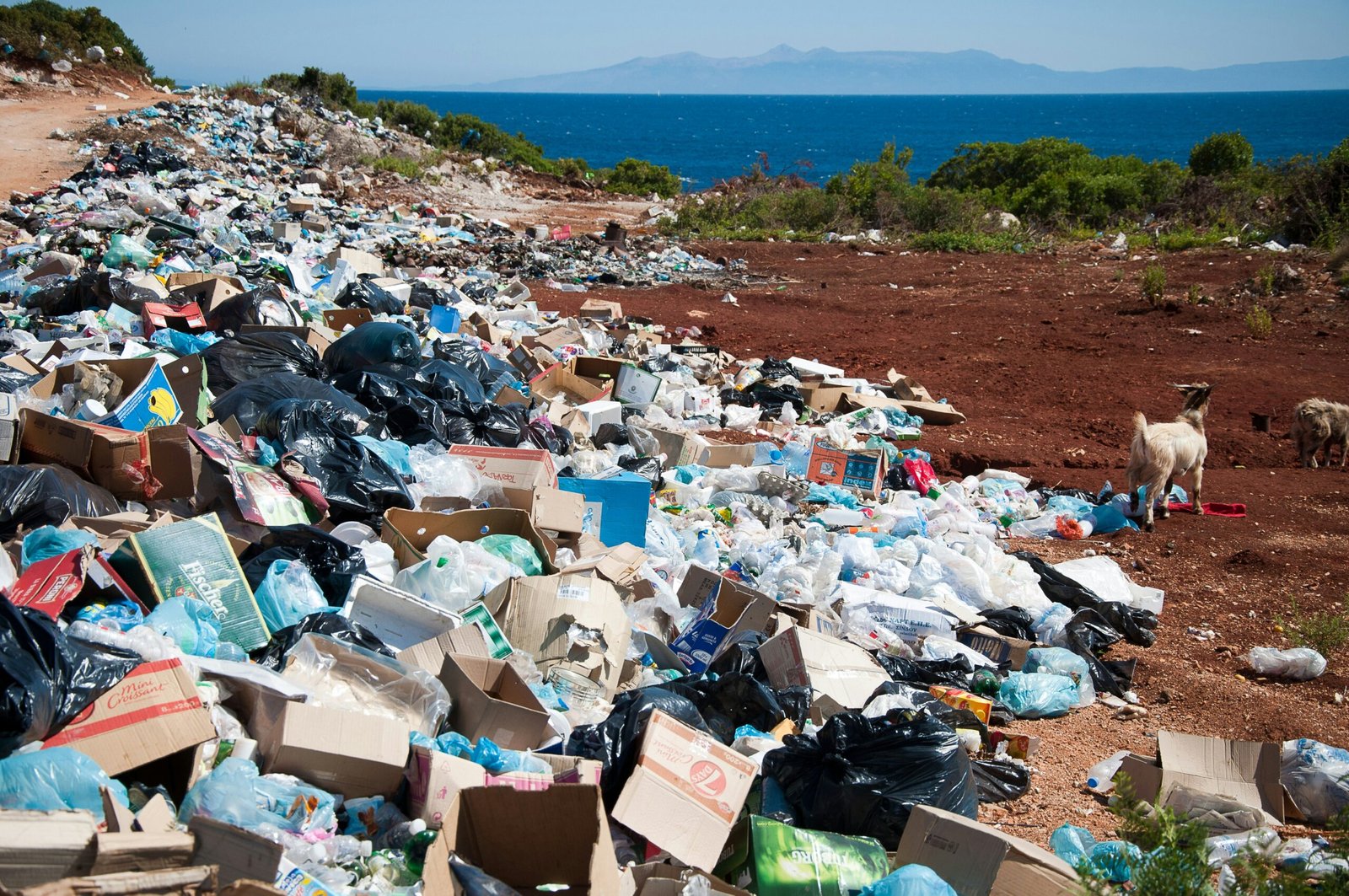
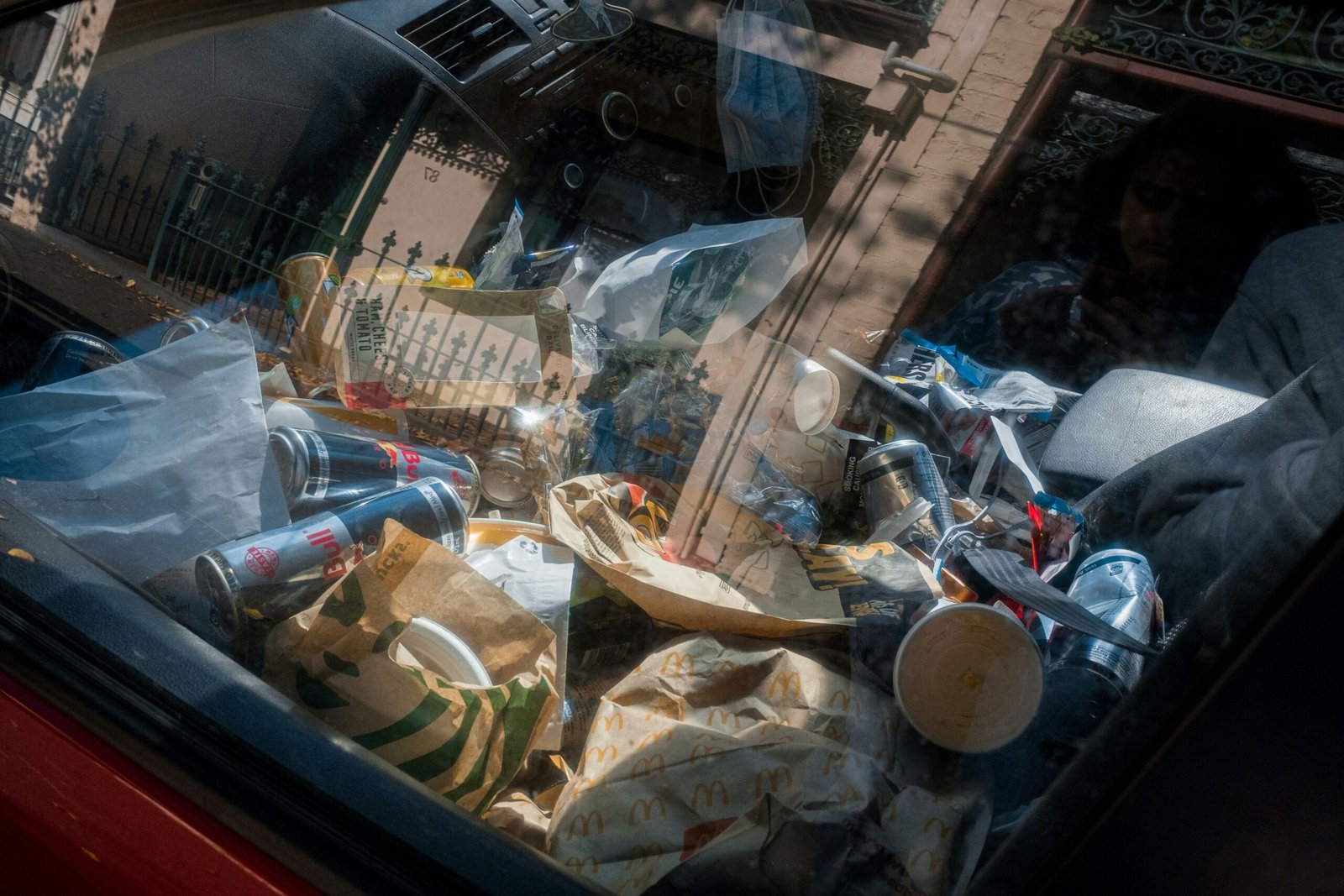
Did you know that food waste is a significant driver of climate change? According to an article by Anavo, approximately 8 – 10% of greenhouse gas emissions are associated with uneaten food. This is a problem that has the potential to be fixed, yet no major changes are being made. However, big changes start with small habits, so here are some ways you can improve and contribute to less pollution.
How to solve food waste?
One way someone can reduce their wasted food is by planning their meals. An article by ScienceDirect states that not planning meals is the main reason for having leftover food and unused products. This is because it is very hard to calculate the required amount of products needed for a certain time period without planning.
Another way to reduce food waste is to organize your family’s fridge or food storage cabinet with the most perishable products in the front and the most recently bought products in the back. According to webstorantstore, grocery stores stock their shelves using this technique to make sure that the customer grabs the oldest product first. This technique is called “First in, First out” (FIFO). According to webstaurantstore it is really important to keep similar items together, label items clearly, regularly check expiration dates, and explain the method to the people that you live with.
The last tip on how to cut back on food waste is repurposing leftovers. This is an awesome way to save some food and money by making something out of what’s left from yesterday. It is also important to make sure to buy products that don’t perish when opened, for this to work.
Conclusion
To conclude, food waste is a serious problem when it comes to climate change. If everyone tries their best not waste food, climate change would be an easier problem to fix.