The Baltic Sea is often named the world’s most polluted sea, but nobody seems to know why. The sea is located in the middle of Europe, surrounded by countries that are economically doing well. There should not be a reason for people to pollute the sea. At least it seems so…
According to BalticWaters.org, since the sea is surrounded by land, there are not many places where water can circulate, and in turn, toxins and other pollutants stay in the water for a longer period of time than in other seas.
The article further explains that the Baltic Sea is not the only sea that has difficulty removing toxins. Another example of this is the Mediterranean, Caspian and Black Sea. That is why it is hard to tell if the Baltic Sea is truly the world’s most polluted sea.
Birzai.lt states, “Today’s major problem in the Baltic Sea is the excess of nutrients or nitrogen and phosphorus.” These materials are most commonly found in fertilizers and cleaning supplies, such as laundry detergents. It is hard to control the chemicals, so they don’t appear in the sea, because fertilizers might get washed away with rain and cleaning supplies don’t get filtered out very well when they accidentally get washed into the bathroom sink.
Ships are also a big reason for the pollution. According to EUSBSR, more than 2000 ships are travelling on the Baltic Sea at any given moment, not including ferries and small recreational boats. This means that a small fuel leak from every ship causes a tremendous impact on the Sea life. And because the sea is sheltered by land, there are no ways for the toxins to escape. That’s how the sea remains polluted.
How can we solve the Baltic Sea pollution problem?
There is no obvious thing to do to save the Baltic Sea. Some could argue that farmers need to watch where they have their farmlands located, but in that case, they would earn less money from their crops. This can be solved by state financing, and not all, if not any, countries want to finance a problem that could be blamed on someone else.
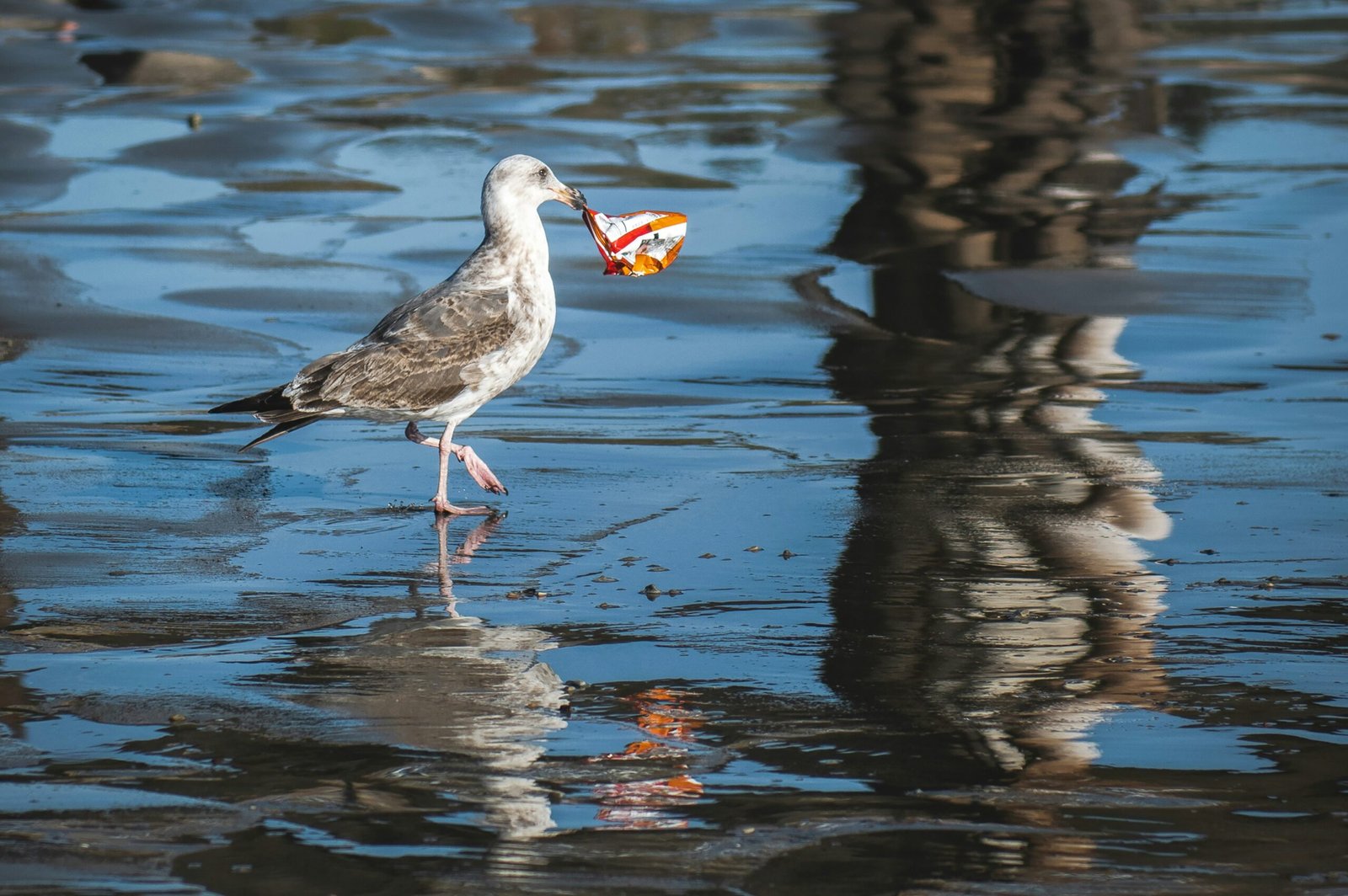
For the majority of people, we can focus on not spilling cleaning supplies into the drainage pipes for no reason, as well as try to keep the sea from getting polluted even more, by recycling and throwing away trash into trashcans, and not the water.
Conclusion
The majority of the Baltic Sea’s pollution comes from farms, ships and unfiltered sewage. There is no way regular people can make an impact when it comes to this problem. The only thing we can do is try not to litter anymore.